
What the Kentucky Derby Can Teach You About Contracts
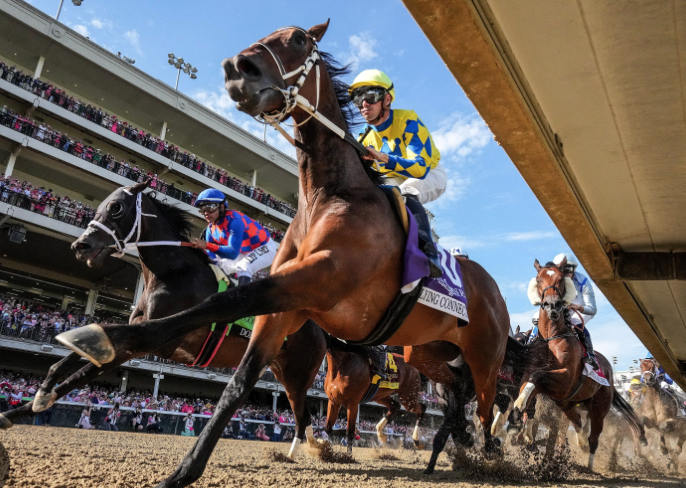
Five lessons from the track every horse person needs to know.
It is the most exciting two minutes in sports but one of the most legally complex two minutes in the horse industry. The Kentucky Derby is not just a race. It is a masterclass in ownership structures, liability allocation, and contract drafting. Every year, as the roses get draped and the mint juleps get poured, the same legal lessons play out at Churchill Downs. The difference? At the Derby, they have teams of lawyers.
Here are five things the sport of kings can teach the rest of us about protecting ourselves in the equine world.
LESSON 01: Ownership percentages need to be in writing. Full stop.
Derby horses are routinely owned by syndicates: ten, twenty, sometimes fifty people holding fractional interests. How do they avoid catastrophic fights when the horse wins $3M? They have operating agreements. Whether you are co-owning a Derby hopeful or splitting a green three-year-old with your trainer, undefined ownership is a lawsuit waiting to happen. Put the percentages, the expenses, and the decision-making authority in writing before the purchase clears.
LESSON 02: A horse's value can change overnight. Your contract should not.
In April, a Derby contender is worth one number. In May, after a prep race win, that number can triple. Sales contracts that do not account for contingencies such as vet checks, timing clauses, and right of first refusal leave buyers and sellers exposed when circumstances shift. Draft for the unexpected, not just the day you are signing.
LESSON 03: Trainers are not employees. Know the difference.
The trainer relationship can be murky in the horse industry. Independent contractor or employee? Who carries insurance? Who is liable if a horse injures someone on the track? At the Derby level, these questions are settled by meticulously drafted training agreements. At the local barn level, they are often settled by a judge, which is significantly more expensive and significantly less fun.
LESSON 04: Sponsorships and brand deals need real agreements.
The Derby is a sponsorship machine. Everything from blankets to barriers carries a brand. Those partnerships are governed by contracts that specify usage rights, exclusivity, payment triggers, and termination clauses. If you are an equestrian athlete or barn owner pursuing brand partnerships (and you should be), a handshake deal with a feed company is leaving real protection and real money on the table.
LESSON 05: Liability does not take a day off, even for a celebration.
Churchill Downs has waivers, insurance, and legal infrastructure covering every inch of that track. Does your barn? Does your trail ride operation? Does your lesson program? The most common thing we hear is: "Nothing bad ever happened before, so I never thought I needed it." The Derby horses do not leave the barn without insurance. Neither should your business.
You do not need a Derby horse to need a Derby-level contract. Whether you are buying your first horse, launching a training business, or signing your first brand deal, the legal fundamentals are the same. Contracts first, handshakes second.
Ready to get your equine contracts race-day ready?
Start with a free 15-minute consultation at wisecovington.com or follow us on Instagram @legally__sound.
This post is for informational purposes only and does not constitute legal advice. For guidance specific to your situation, contact Wise Covington PLLC.
