
Trust Isn't a Contract: Why Even 40-Year Relationships Need Legal Protection
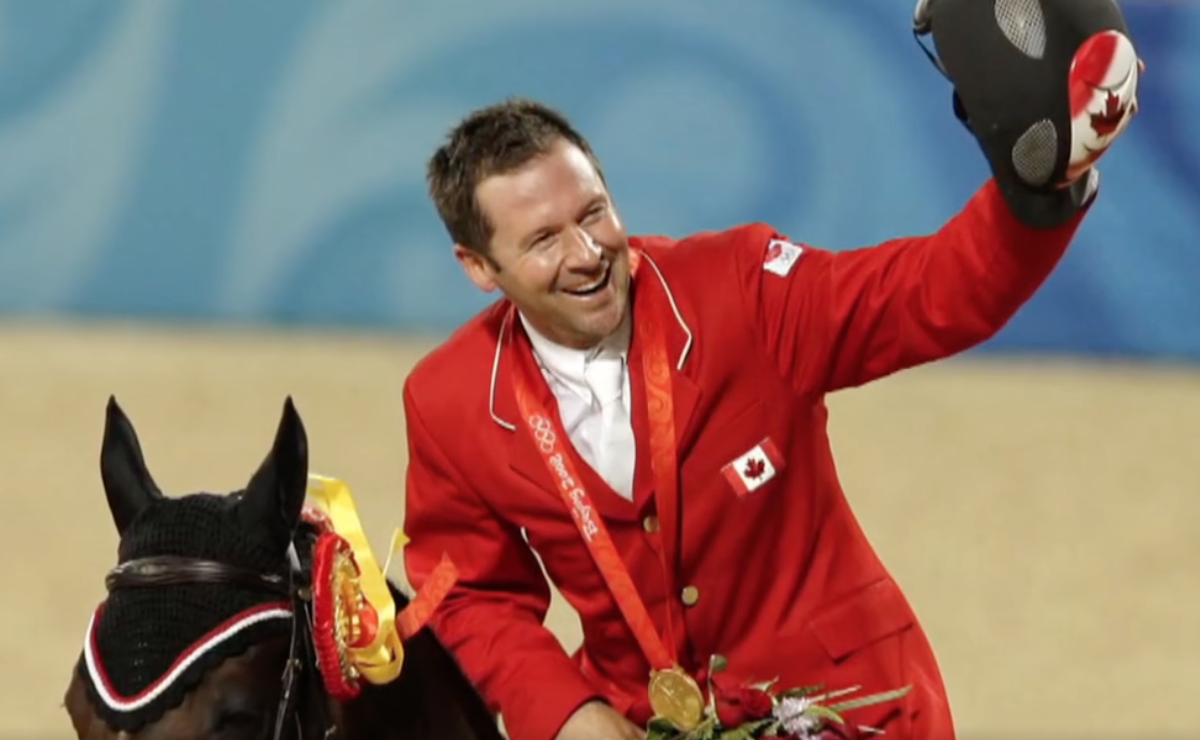
Image cropped from Sportsnet/Facebook
When Olympic gold medalist Eric Lamaze's business relationships ended up in Florida courts, one plaintiff said something that captures the heart of the problem: "I was disappointed that a forty-year relationship ended up in court." Horse Sport
Forty years. Decades of shared experiences in the show jumping world. Deep personal trust built over time.
And yet, the resulting judgments exceeded $7 million.
These cases, involving elite show jumpers, sophisticated investors, and some of the sport's most prominent figures, serve as a stark reminder: reputation, Olympic medals, and decades-long friendships cannot substitute for proper legal protections.
What Happened in the Lamaze Cases
The lawsuits centered on co-ownership arrangements and horse sales at the highest levels of show jumping, including Nikka VD Bisschop, a mare who went on to represent Canada at the Olympics and Pan American Games.
The allegations told a troubling story:
Co-owners discovered they'd paid significantly more than their agreed-upon share of purchase prices
A co-owned horse was sold in secret where one owner only learned about it afterward and received just a fraction of the proceeds
Buyers learned they'd paid much more than actual purchase prices, with the difference being pocketed
Defendant allegedly represented both buyers and sellers without proper disclosure, violating Florida law
These weren't strangers doing casual deals. These were long-term business relationships, in some cases spanning decades, with shared history in the upper echelons of international show jumping.
And that's exactly why things went wrong.
The Trust Trap: Why Long Relationships Are High-Risk
Here's the uncomfortable truth: the better you know someone, the less likely you are to protect yourself properly.
When you've known someone for 40 years, asking them to verify the actual purchase price feels insulting. Insisting on written authority provisions seems like you don't trust them. Requiring independent documentation feels unnecessary. You've done deals together before, you know how it works.
This comfort is dangerous.
Long relationships make us skip critical protections:
We don't verify representations because "they would never lie to me"
We don't insist on written authority because "we've always handled it this way"
We don't require independent confirmation because "I trust their word"
We don't document everything because "we understand each other"
But memories fade. Circumstances change. Financial pressures arise. What felt like a clear understanding five years ago becomes a he-said-she-said dispute in a courtroom.
The contract you need isn't for today's friendship. It's for the dispute you never saw coming.
What Proper Protection Looks Like
Co-Ownership Agreements Should Include:
Verified purchase prices and ownership percentages with supporting documentation
Clear decision-making authority and approval requirements for sales
Mandatory notification protocols before any sale discussions
Financial transparency with regular accounting
Pre-negotiated exit strategies and dispute resolution
Purchase Agreements Should Require:
Independent verification of actual purchase prices
Written Bill of Sale with seller's signature
UCC lien search on the seller
Written representations about soundness, training, and history
Clear return provisions if misrepresented
Agent Relationships Must Document:
Who the agent represents (buyer, seller, or both)
All compensation and from whom
Written disclosure of dual agency
Written consent from all parties
Why This Matters at Every Level
These protections aren't just for multi-million dollar Olympic horses. Whether you're co-owning a $5,000 trail horse or a $500,000 Grand Prix jumper, the legal questions are identical:
Who actually owns what percentage?
Who has authority to sell?
What were the actual purchase terms?
Is someone acting as a dual agent without disclosure?
A $100,000 horse deserves the same due diligence as a $100,000 house, even when buying from a trusted friend. Before any significant purchase:
Get a pre-purchase veterinary exam by your own vet
Verify the seller's identity matches any registration papers
Obtain a written Bill of Sale signed by the seller
Conduct a UCC lien search on the seller's name with the Secretary of State
Get written representations about the horse's history and soundness
Confirm there are no outstanding board bills or veterinary liens
The Bottom Line
The Lamaze cases resulted in over $7 million in judgments, but only after years of costly litigation that destroyed decades-long relationships. While the plaintiffs ultimately prevailed, the better outcome would have been preventing the fraud through strong contracts with proper verification requirements and clear authority provisions.
Even at the highest levels of the sport, with sophisticated parties and long-standing relationships, these protections are essential. If 40-year friendships and Olympic-level partnerships need legal safeguards, so do yours.
The uncomfortable conversation about verification and documentation today prevents the devastating litigation tomorrow.
At Wise Covington, we understand both the business and the heart of the horse industry. We know these conversations can feel awkward with trusted friends and longtime partners. But we also know they're essential to protecting what you've worked so hard to build.
Don't let trust be your only contract.
-Andrea & Claire | Wise Covington PLLC
Wise Covington is an equine law firm dedicated to protecting horse owners, trainers, breeders, and equestrian businesses. We draft contracts, conduct due diligence, and structure deals with proper protections—before problems arise. Contact us today.
